
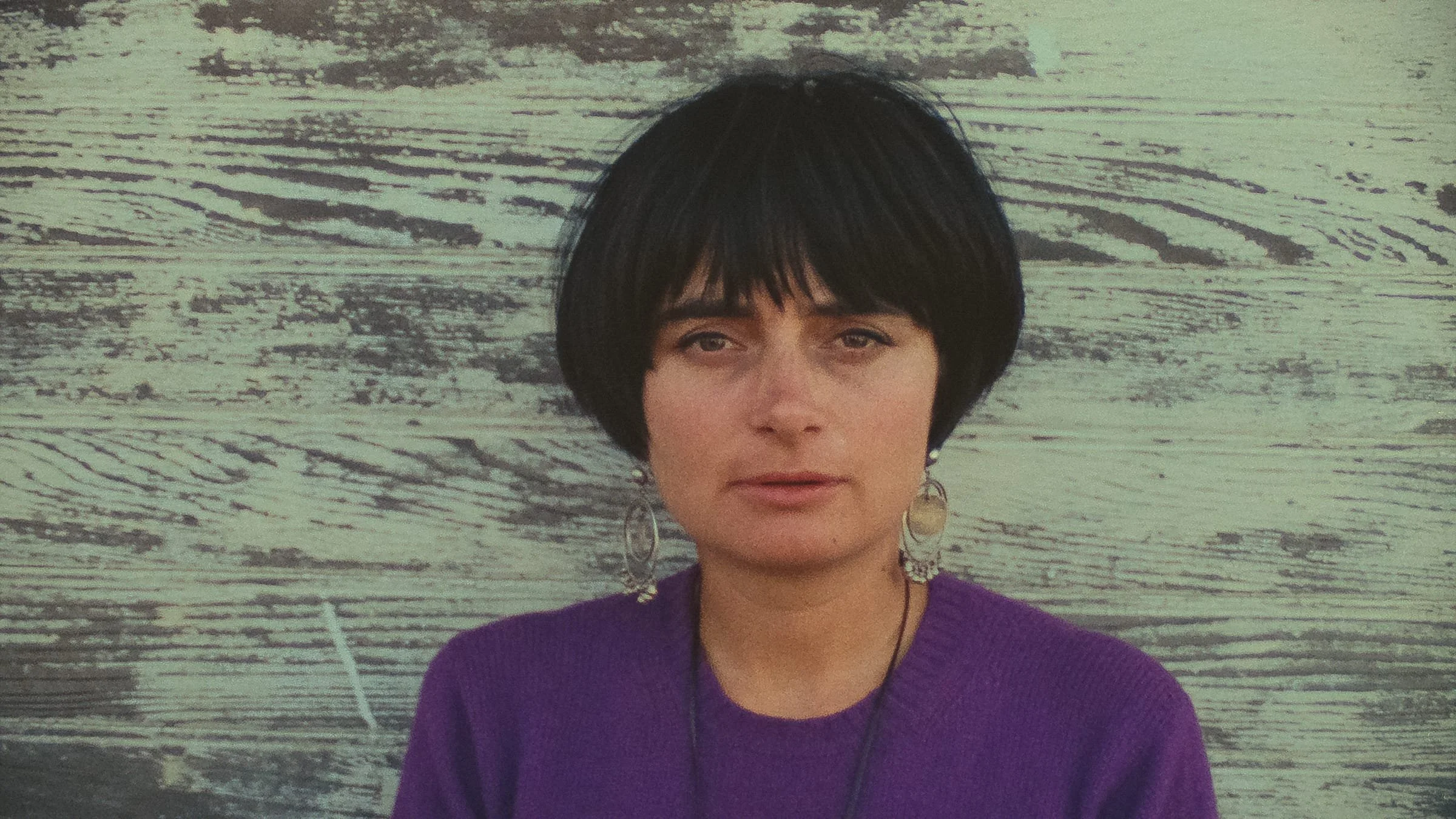
Agnès Varda
“If we opened people up, we’d find landscapes.”
Upon her death, Martin Scorsese said of Agnès: “I seriously doubt that Agnès Varda ever followed in anyone else's footsteps, in any corner of her life or her art. Every single one of her remarkable handmade pictures, so beautifully balanced between documentary and fiction, is like no one else's — every image, every cut … What a body of work she left behind: movies big and small, playful and tough, generous and solitary, lyrical and unflinching … and alive.”
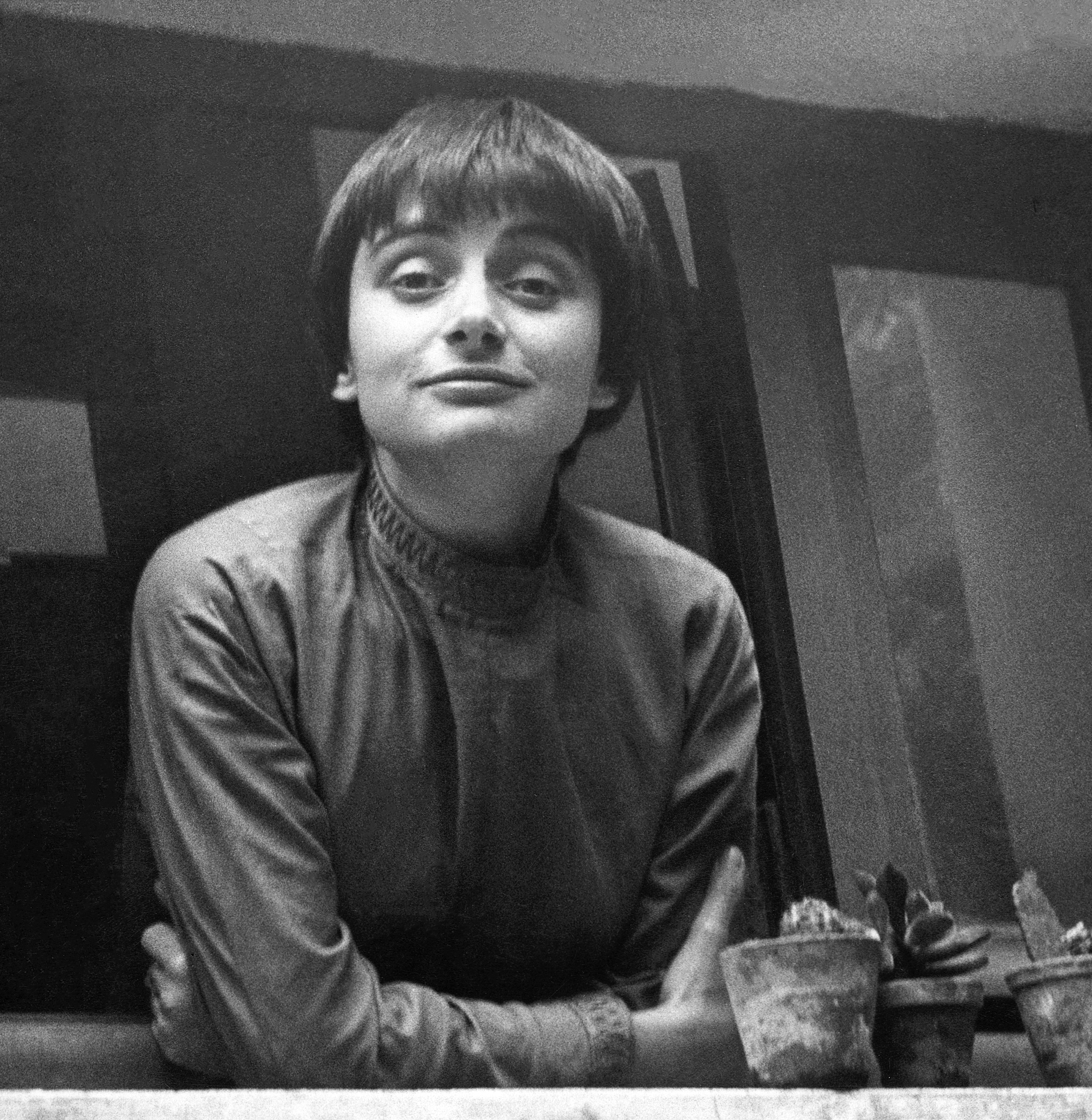
Widely regarded as the greatest female filmmaker of all time, she made films spanning 65 years, from 1954 to 2019. An art history major who became a photographer who eventually started making films. She edited them at her kitchen table, in a house she lived in for over 50 years. She became enamored with the act of gleaning (collecting leftover crops from farmers' fields after the main harvest) and turned it into an aesthetic, a way of seeing the world. She picked up what the world discarded and created from it: leftover film stock, amateur actors, her own aging body, potatoes shaped like hearts, beaches at low tide, and strangers’ stories. Let’s explore Agnès’ heart and soul together, watching a few of her films along the way.
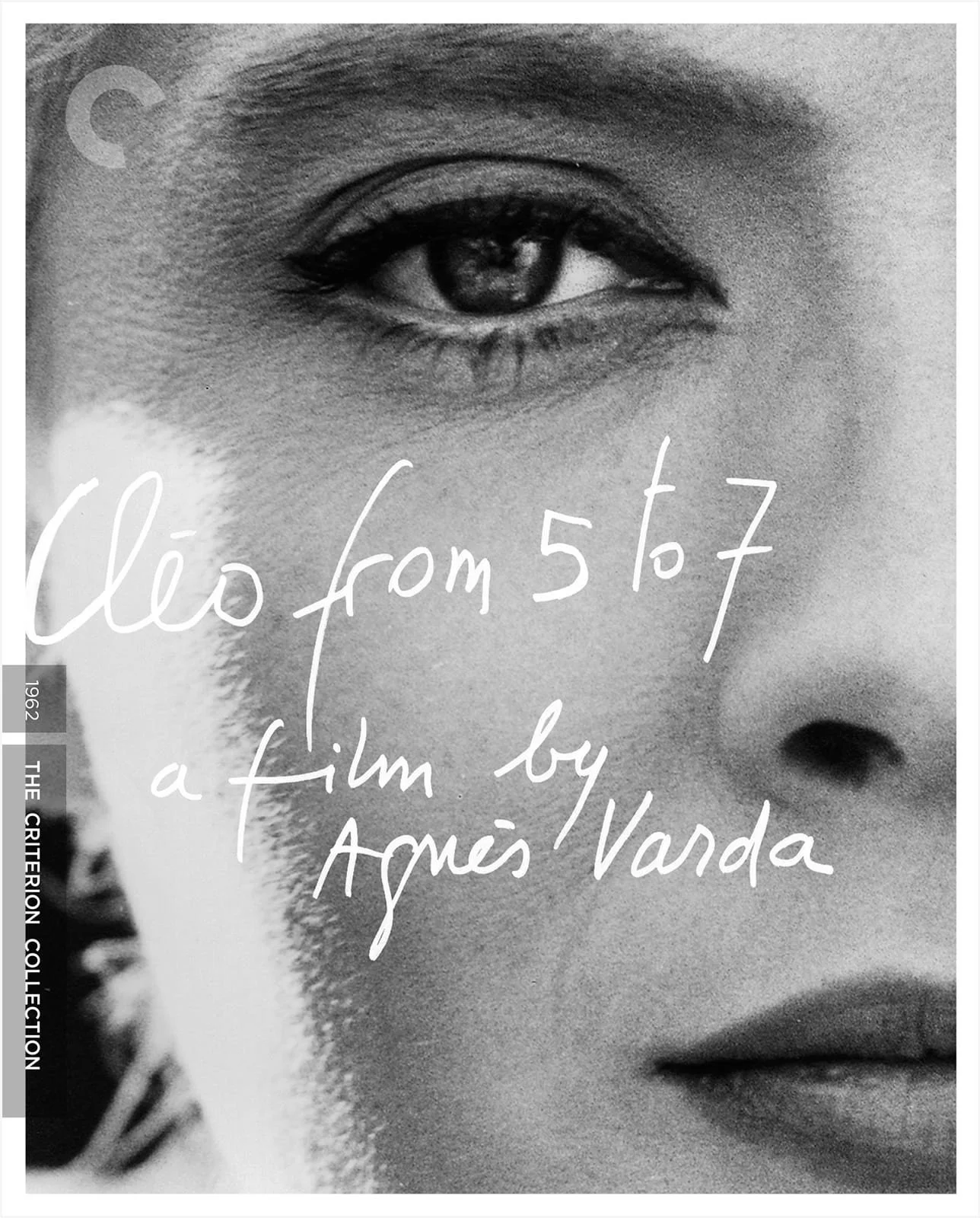
As always, choose your level of participation:
Besides watching “Cleo from 5 to 7”, here are supplemental things to listen to, watch, and/or read:
-
EXPAND THE EXPERIENCE:
Vagabond (1985) - (watch on Criterion Channel free trial)
A young woman's body is found frozen in a ditch. Through flashbacks and interviews, we see the events that led to her inevitable death.
The Gleaners and I (2000) - (watch on Criterion Channel free trial or Kanopy)
Varda films and interviews gleaners in France in all forms, from those picking fields after the harvest to those scouring the dumpsters of Paris.
The Beaches of Agnes (2008) - (watch on Kanopy)
Agnès Varda explores her memories, mostly chronologically, with photographs, film clips, interviews, reenactments, and droll, playful contemporary scenes of her narrating her story.
DEEP DIVES:
Happiness (Le Bonheur) (1965) - (watch on HBOMax)
François, a young carpenter, lives a happy, uncomplicated life with his wife Thérèse and their two small children. One day he meets Emilie, a clerk in the local post office.
Faces Places (2017) - (watch on Kanopy)
Director Agnes Varda and photographer/muralist J.R. journey through rural France and form an unlikely friendship.
-
Jean-Francois Millet’s 1857 painting “The Gleaners”: Watch this 3-minute video that invites dignity to those that society may deem unimportant.
Picasso and Cubism: Watch this 4 minute video on how the Cubists constructed new realities, moving away from traditional ideas of representation leading to abstraction.
How the French New Wave changed Filmmaking Forever: Watch this 11-minute video on how a group of film critics in France during the late ‘50s and early ‘60s changed the way the world thought of films.
Agnes Varda on making Documentaries: Watch this 18-minute interview that reveals Varda’s soul and what she saw as the power of making real documentaries.
-
Article: Mirrors and Windows: Read this very short paragraph-length article on how both reveal your views about others and yourself.
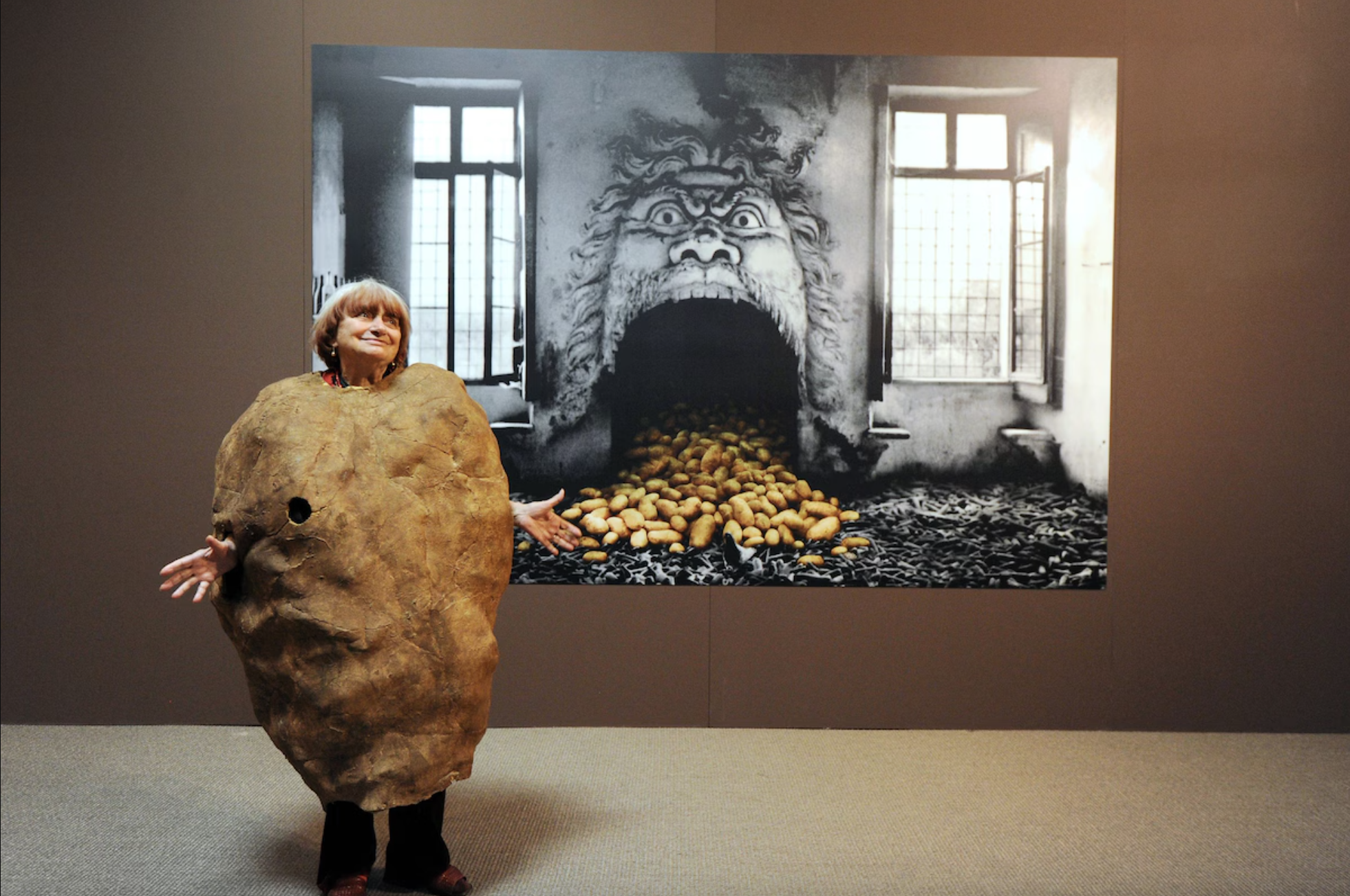
Article: Exploring Agnes Varda’s unusual preoccupation with Potatoes: Agnes once built a potato-shaped hut as an art installation because she thought her body resembled a potato and found this delightful rather than tragic, read this article to discover more about her artistic potato fascination.
-
Cake’s 1996 song “Frank Sinatra”: There’s something about this video and these lyrics that feel Varda-esque, watch and listen.
“I’m interested in contradiction - the inner contradiction - which makes everybody three persons at the same time, everybody is able to be so different from one moment to another. Even Cléo from 5 to 7, there was a contradiction between the objective time, which is 5:05, 5:10, 5:15, and what I call subjective time - that we feel so different when we have a good time, it lasts so little, and when we wait for something, it’s endless.”