
Death
“There are three deaths. The first is when the body ceases to function. The second is when the body is consigned to the grave. The third is that moment, sometime in the future, when your name is spoken for the last time.”

Save The Date:
Friday, August 14
Dear reader,
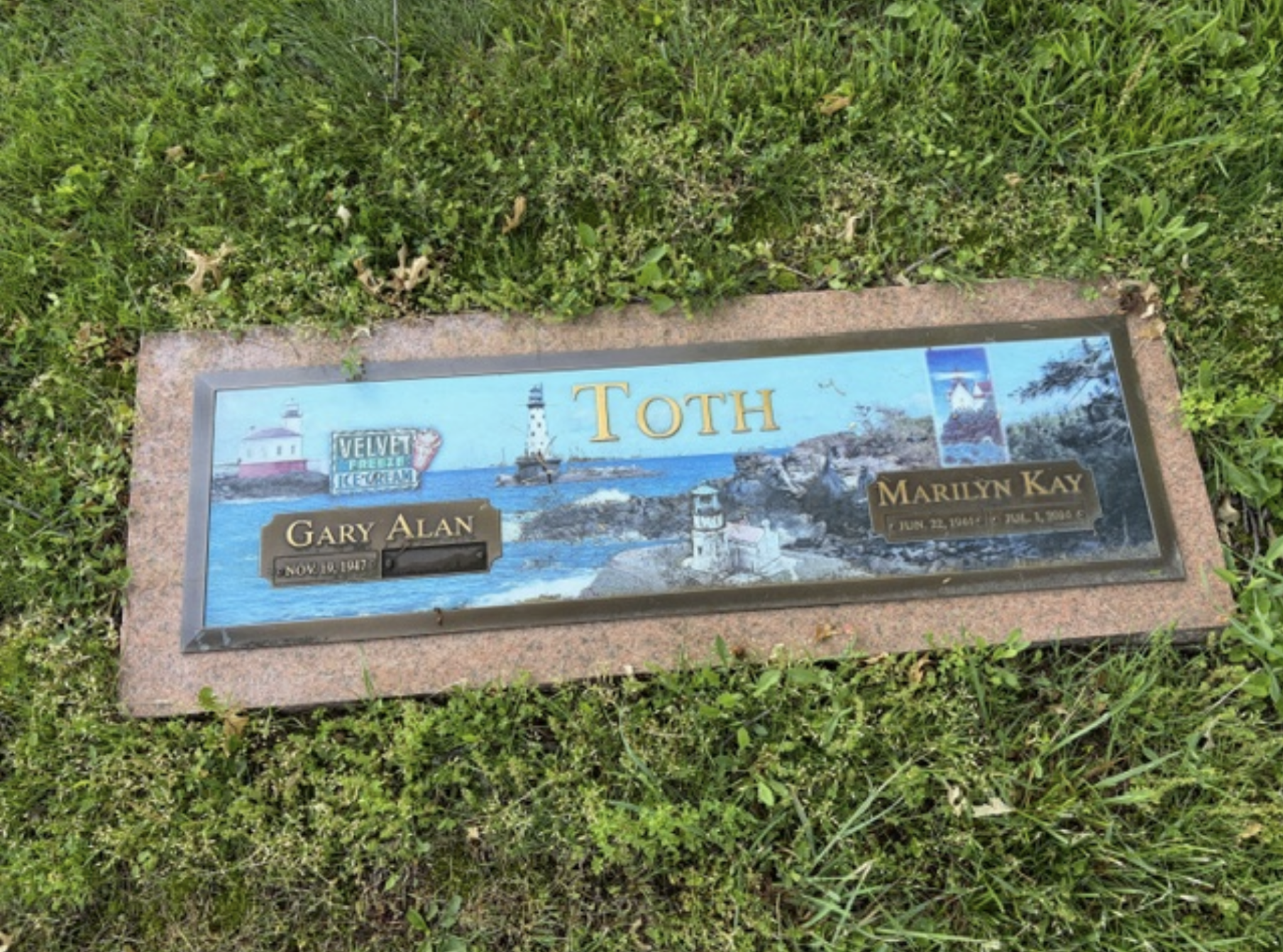
A month ago, on Mother’s Day, I went to my mom’s grave. She’s been dead for 12 years now this summer. I took my usual companions: a coffee, cigarettes, and a book of Bukowski poetry. My mother and I had a multi-layered relationship, so I’m never too sure what will come up from inside of me until I show up, start reading and talking aloud. What arrived was interesting: Grief, Gratitude, the Weight of Lineage, and an invitation into the Responsibility of Integration, on levels I have never felt. When I got back to my car, “Monsters” by James Blunt randomly played on my Apple radio. That broke me wide open, and I wept, deeply. Deepak Chopra once wrote, “When you live your life with an appreciation of coincidences and their meanings, you connect with the underlying field of infinite possibilities.” We’ve been planning a Curious Immersions on the topic of Death for some time now. Maybe death is the only event with enough weight to make us actually available to what has been waiting to come through us all along.
Bret
Third
watch James Blunt and his father in the music video for Monsters:
Fourth
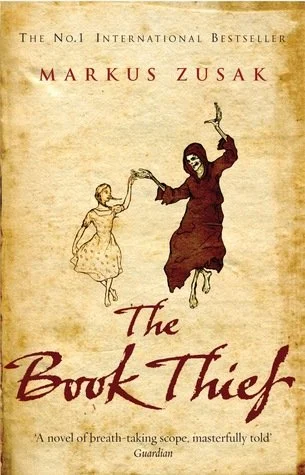
read the first 3 pages of the introduction to “The Book Thief,” by Marcus Zusak, entitled Death and Chocolate:
Fifth
watch this 8 minute Youtube video on A Strange Relativity, Altered Time for a Surgeon-Turned-Patient. Paul Kalanithi won the Pulitzer Prize for his book on meditations around his own dying, “When Breath Becomes Air:”
Sixth
listen to season 1 episode 1 of the podcast Death in the Afternoon, entitled “My Roommate, a Corpse!” Caitlin Doughty worked in a crematory and wrote the book “Smoke Gets in Your Eyes: A Other Lessons from the Crematory.” Find it on her website Order of the Good Death:
Seventh
watch Randy Pausch’s Last Lecture, the last talk the professor gave, knowing he was dying of pancreatic cancer within the next year:
Eighth
watch Ted Koppel’s Nightline interview with Morrie Schwartz, made famous in Mitch Albom’s book “Tuesdays with Morrie: An Old Man, a Young Man, and Life’s Greatest Lesson:”